Forget Sundance: The Film Festivals Changing Everything Are Ones You've Never Heard Of
Every January, the same ritual plays out. Industry insiders descend on Park City, Utah, bundled in expensive parkas, clutching lattes, and networking their way through a schedule of films that — let's be honest — were already pre-approved by the machine before the first frame was shot. Sundance still matters. But it's starting to matter a lot less than it used to.
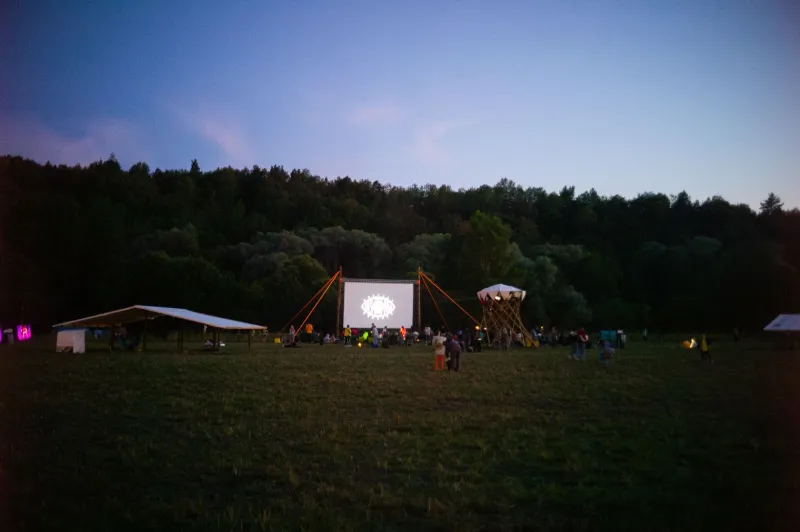
Meanwhile, in a repurposed warehouse in New Orleans, a church hall in Tucson, or a drive-in lot outside Columbus, something genuinely exciting is happening. Local and regional film festivals — many of them operating on budgets that wouldn't cover a single Sundance party — are becoming the real discovery engines of American cinema.
The Gatekeeping Problem
For decades, the prestige festival circuit functioned as a velvet rope. Sundance, Tribeca, SXSW — these were the places where careers were made, distribution deals were signed, and the industry decided what counted as "important" filmmaking. The problem? That circuit gradually became self-referential, favoring filmmakers who already had connections, resources, and the cultural capital to navigate it.
The average submission fee to a major festival can run $100 or more. Travel to attend? Factor in flights, hotels, and the general cost of existing in a resort town for a week. For a first-generation filmmaker from rural Mississippi or a queer filmmaker of color from the South Side of Chicago, those barriers aren't just inconvenient — they're disqualifying.
Regional festivals largely don't work that way. Many keep submission fees minimal or waived entirely. Several have built explicit equity frameworks into their programming, actively recruiting films from underrepresented communities rather than waiting for them to show up.
Where the Real Discovery Is Happening
Take the Bentonville Film Festival in Arkansas, co-founded by actress Geena Davis, which has made inclusive storytelling its entire identity. Or the Cucalorus Festival in Wilmington, North Carolina — now in its third decade — which has been quietly championing weird, personal, politically honest cinema long before that became a brand strategy.
Then there's the Overlook Film Festival, which migrated from New Orleans to a rotating series of intimate venues, building a devoted community around genre filmmaking that the prestige circuit has always treated as a lesser art form. Horror, sci-fi, experimental work — these films find their people at regional events in a way they simply don't at festivals where the priority is landing a Netflix deal.
What these events share is a curatorial fearlessness. Without the pressure to attract A-list talent or generate mainstream coverage, programmers can follow their instincts. They can say yes to the 80-minute documentary shot on an iPhone about a dying steel town. They can champion the first feature from a 19-year-old who's never been to film school.
Industry Is Paying Attention — Finally
Here's what's shifted in the last few years: distributors and production companies have started showing up. Not in huge numbers, and not with the same checkbooks they bring to Park City. But they're there.
The economics of streaming have actually helped level the field. When every platform is hungry for content that feels authentic and specific — content that doesn't look like it was made by committee — the regional festival circuit becomes a prospecting ground. A film that connects viscerally with an audience in Chattanooga or Albuquerque is exactly the kind of thing that plays well on a platform trying to differentiate itself.
Several acquisitions in recent years have traced directly back to regional festival buzz. Word travels fast when a film genuinely moves an audience, and regional festival communities are tight-knit enough that a standing ovation in Savannah can become industry chatter by Monday morning.
The Volunteer Factor
What makes the whole ecosystem remarkable is how it runs. Most regional festivals are powered almost entirely by volunteers — people who have day jobs and families and busy lives but show up anyway because they believe in what cinema can do for a community.
These aren't failed industry insiders. They're librarians, teachers, graphic designers, and small business owners who happen to love movies and understand that their city deserves a cultural institution that reflects it. The programming committees at many regional festivals include community members alongside film critics and industry veterans, which means the selection process is genuinely democratic in a way that Sundance — despite its stated commitments — has never quite managed.
What This Means for Storytelling
The downstream effect of all this is starting to show up on screens. Stories rooted in specific American places — the kind of stories that major studios have historically avoided because they're considered too regional, too niche, too working-class — are finding their audiences. Films about Appalachian communities, about immigrant neighborhoods in mid-size cities, about Indigenous experiences in states that Hollywood never thinks about, are getting seen.
And the filmmakers making those films are building careers that don't require moving to Los Angeles or knowing the right people in Brooklyn. They're building audiences at home first, on their own terms.
That's not a small thing. That's a genuine shift in how American cinema gets made and who it gets made for. Sundance will keep happening. The parkas and the lattes will keep appearing every January. But the quiet revolution is already underway everywhere else, and it doesn't need anyone's permission to continue.