Delete Everything: How Quitting Your Subscriptions Became the Coolest Thing You Can Do
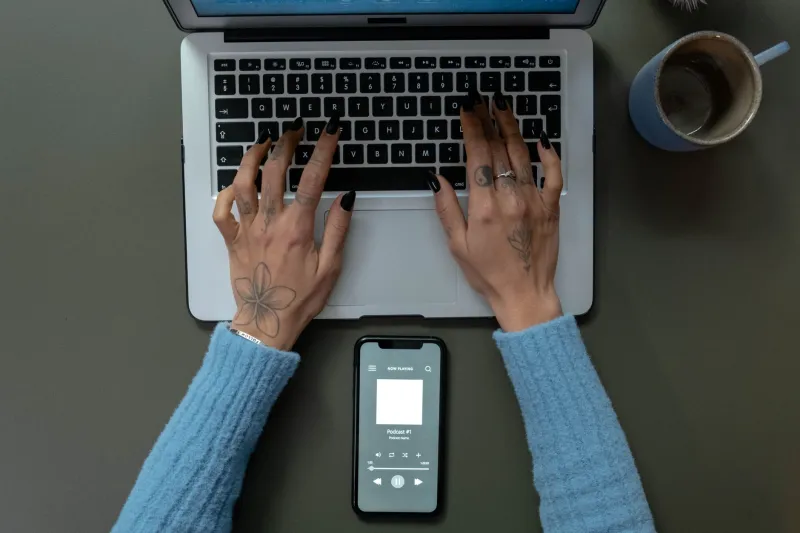
Somewhere between the fourth password-sharing crackdown and the fifteenth "are you still watching?" prompt, something snapped. Not for everyone — but for a growing, vocal, increasingly influential slice of young Americans, the breaking point arrived quietly. They opened their banking apps, stared at the column of monthly charges, and started canceling.
Not out of poverty. Not out of protest, exactly. Out of something harder to name: a creeping sense that having access to everything had made them feel absolutely nothing.
The Paradox Nobody Warned You About
We were sold a dream. Pay one low monthly fee, get all of human creativity at your fingertips. The pitch was irresistible, and for a while, it delivered. But somewhere around the moment Netflix started producing 400 original series a year and Spotify's algorithm decided it knew your taste better than you did, the dream curdled into something exhausting.
Psychologists have a name for what happens when choice expands beyond a certain threshold: decision fatigue. But what's happening culturally right now feels like something beyond fatigue. It feels like rejection.
"I had six subscriptions and I genuinely couldn't tell you what I'd watched in the past month," says Maya, a 26-year-old graphic designer in Austin. "It was like having a full fridge and still ordering takeout because you couldn't figure out what you wanted. I canceled everything in one sitting and I felt lighter immediately."
Maya isn't alone. Across Reddit threads, TikTok comment sections, and group chats, a new kind of media minimalism is taking shape — one that treats intentional scarcity not as deprivation but as liberation.
Curation as Identity
The interesting thing about the streaming purge isn't just what people are quitting. It's what they're choosing instead — and how carefully.
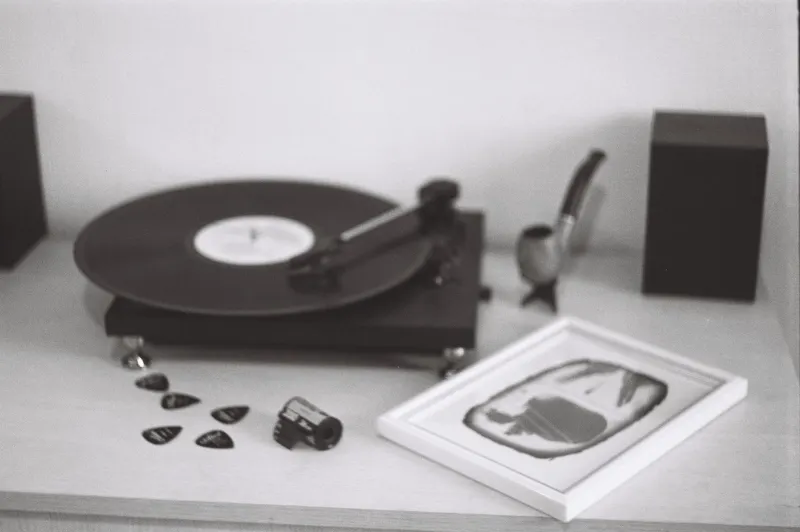
The new media diet looks radically different from the buffet model. It might mean one single streaming service rotated seasonally. A library card used aggressively. A small, curated list of newsletters from actual humans. Physical media — DVDs, Blu-rays, even LaserDiscs if you're really committed — making a quiet comeback. Appointment viewing of shows watched communally, discussed in real time with real people.
What ties these choices together is intentionality. The decision of what to consume has become as meaningful as the consumption itself.
"My media diet is basically a personality statement at this point," says Jerome, a 29-year-old teacher in Philadelphia who canceled all but one streaming service and replaced the rest with his local library's digital catalog. "When I tell people I only watch one or two things at a time and I actually finish them, it starts a whole conversation. People want to know why."
That conversation — the why — is where things get philosophically interesting.
Algorithmic Resistance as Cultural Politics
There's a progressive undercurrent running through the streaming purge that's worth naming directly. For a generation that has grown up watching algorithms flatten culture into engagement metrics, opting out carries real political weight.
Streaming platforms don't just deliver content — they shape it. When an algorithm decides which stories get surfaced, which shows get renewed, and which creators get visibility based on click-through rates and completion percentages, the result is a cultural ecosystem optimized for attention rather than meaning. Bold, weird, challenging work gets buried. Safe, familiar, easily digestible content rises to the top.
Choosing to disengage from that system — even partially — is a small act of resistance against a machine that profits from your passive scrolling. It's a refusal to let a recommendation engine define your cultural life.
"The algorithm doesn't know what's good for me," says Priya, a 31-year-old writer in Chicago. "It knows what I clicked on at 11pm when I was tired. Those are not the same thing."
What Depth Feels Like Again
The people who've done the purge tend to describe its aftermath in almost physical terms. Spaciousness. Clarity. A weird, almost forgotten sensation of actually looking forward to something.
When you're not scrolling through a thousand options, a single show becomes an event. A film you've been meaning to watch for months becomes something you actually schedule. A book — remember those? — gets finished.
"I watched the same three-episode documentary series twice in one month because I genuinely loved it," says Maya. "That hadn't happened to me in years. I'd forgotten what it felt like to actually care about something I was watching."
This is the paradox at the heart of the streaming purge: less access creates more engagement. Scarcity generates attention. Choosing almost nothing makes every choice matter.
The Social Dimension
There's also something quietly communal happening here. When everyone is watching different things on different platforms, the shared cultural moment — the thing everyone's talking about Monday morning — becomes increasingly rare. The streaming purge, paradoxically, can rebuild that.
Small groups of friends are syncing up around single shows, watching together rather than separately. People are recommending things with actual conviction because they've thought about them rather than stumbled across them. The recommendation itself becomes meaningful again.
"My friend group has a rotating pick system now," says Jerome. "One person chooses something for everyone to watch that month. We talk about it. It sounds old-fashioned but it's actually the most engaged I've felt about media in years."
Choosing Your Relationship With Culture
None of this is to say streaming platforms are evil or that enjoying them is a moral failure. The point isn't purity — it's agency. The streaming purge, at its core, is about reclaiming the decision of how you want to relate to culture.
Do you want to be a passive receiver of algorithmic suggestions, or an active curator of your own experience? Do you want infinite access to everything, or meaningful access to a few things you actually love?
The answer, increasingly, for a certain cohort of thoughtful, culturally engaged Americans, is the latter. And that choice — quiet, personal, and almost aggressively intentional — might be the most interesting cultural statement being made right now.
Delete the apps. Keep the good stuff. See what's left.