After Hours, After Dark: The Museum Nights Turning Mid-Size Cities Into Cultural Destinations
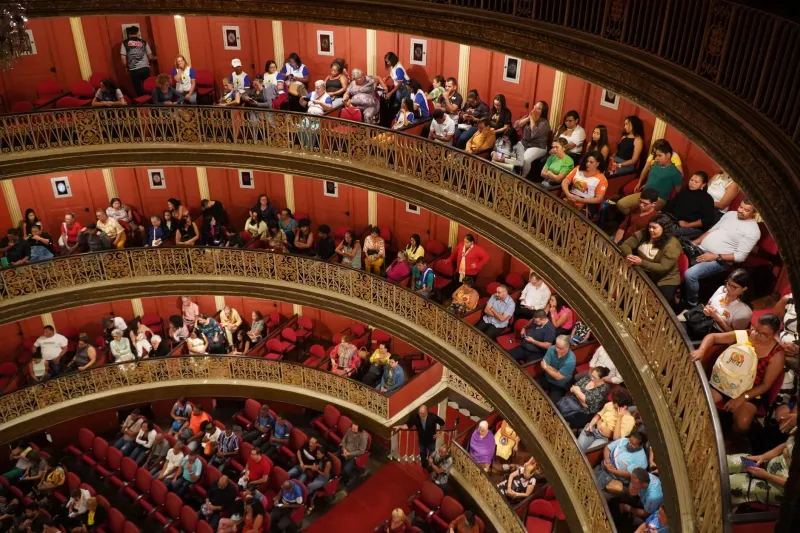
On the third Friday of every month, the Columbus Museum of Art in Ohio undergoes a quiet but significant transformation. The gift shop closes. The docents go home. And then, somewhere around 5:30 PM, the DJ starts setting up near the main staircase.
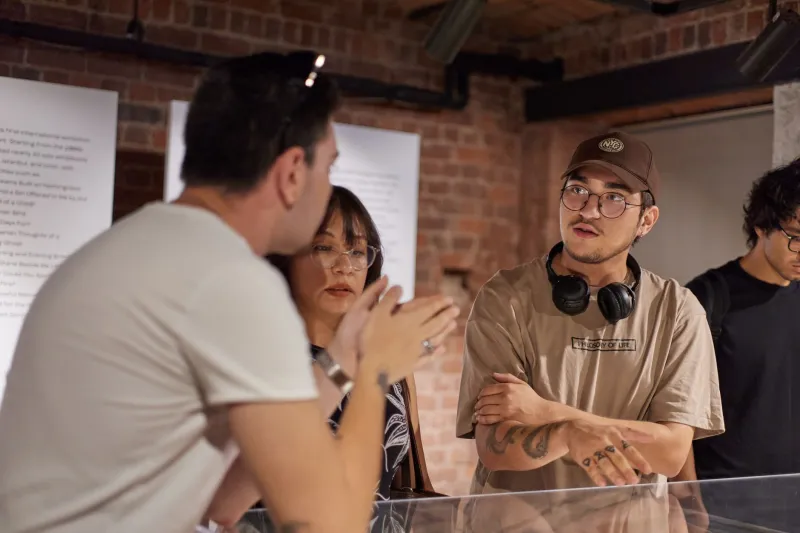
By 8 PM, Wonder Fridays — the museum's flagship after-hours event series — is packed. Not with the typical museum-going demographic. With people in their twenties and thirties, people who work downtown and never thought to step inside on a Tuesday afternoon, people who came for the cocktails and stayed for the Warhols. The vibe is somewhere between gallery opening and house party, and that tension is entirely intentional.
"We asked ourselves a really honest question," says a Columbus Museum of Art programming director. "Who isn't coming here, and why? And then we actually tried to fix it."
That question — and that willingness to answer it honestly — is driving a wave of late-night cultural programming across mid-size American cities that's quietly rewriting the relationship between institutions and the communities they're supposed to serve.
The Problem With Daytime
Let's be honest about what traditional museum hours communicate: this space is for people with flexible schedules, disposable income, and a pre-existing comfort with formal cultural institutions. That's a pretty narrow slice of most American cities. And for a generation that grew up with everything available on-demand, the idea of scheduling a Tuesday afternoon trip to look at paintings in silence carries real psychological weight — and not the good kind.
Late-night programming cracks that barrier open. It meets people where they already are on a Friday night — looking for something to do, somewhere to go, a reason to leave the apartment — and offers them an experience that doesn't require them to already feel like "the kind of person who goes to museums."
In Raleigh, the North Carolina Museum of Art has developed one of the most ambitious late-night programs in the South. Their monthly "NCMA After Hours" series has drawn crowds of up to 2,500 people for themed evenings that pair specific exhibitions with live music, food vendors, and hands-on art-making stations. A recent night built around the museum's photography collection featured a darkroom workshop, a panel with local photographers, and a set from a Raleigh-based jazz quartet. Tickets sold out in under 48 hours.
"We're not dumbing the art down," says one NCMA programming coordinator. "We're changing the context around it. The art is still the art. We're just removing the formality that made people feel like they didn't belong here."
Louisville, Kentucky: A Case Study in Getting It Right
Few cities have leaned into the after-hours model as aggressively — or as successfully — as Louisville. The Speed Art Museum, which underwent a major renovation in 2016, used the reopening as an opportunity to fundamentally rethink its role in the city's cultural life.
Their "Art After Dark" series, now in its eighth year, has become one of the most talked-about nights out in Louisville. Recent editions have featured local hip-hop artists performing in the galleries, a collaboration with Louisville's bourbon distillery scene (naturally), and a takeover curated entirely by Louisville-based Black artists that drew one of the largest crowds in the series' history.
What makes Louisville's approach distinctive is its commitment to letting community partners genuinely shape the programming rather than just providing a backdrop. Local chefs, musicians, activists, and artists aren't just vendors at these events — they're co-curators. The result is programming that feels like it belongs to the city, not just to the institution.
"When people see themselves reflected in this building — in who's performing, who's cooking, whose work is on the walls — they start to feel like they own it," says a Speed Art Museum community engagement staffer. "And when people feel like they own a cultural institution, they protect it. They come back. They bring their friends."
What This Tells Us About Gathering Right Now
There's a broader cultural hunger embedded in all of this that goes beyond any single museum's programming calendar. Americans — particularly younger Americans — are increasingly desperate for what sociologists call "third places": spaces that are neither home nor work, where you can exist in public without being a consumer, where serendipitous human contact is actually possible.
Bars fill some of that need. So do parks, libraries, barbershops, diners. But museums, when they get this right, offer something slightly different: the experience of being in the presence of something that took real effort to make, surrounded by other people having that same experience. In a cultural moment defined by passive consumption and algorithmic recommendation, that's genuinely countercultural.
The cities that are figuring this out fastest tend to be mid-size ones — places like Columbus, Louisville, Raleigh, Richmond, and Omaha — where the cost of experimenting is lower, the relationship between institutions and communities is more direct, and the cultural infrastructure isn't already so saturated that any new idea has to fight for attention.
The Ripple Effects Are Real
The impact of these late-night programs extends well beyond museum membership numbers. Restaurants near the Columbus Museum of Art have reported measurable upticks in business on Wonder Friday nights. Louisville's Art After Dark events have been credited by local officials with contributing to foot traffic in the museum's surrounding neighborhood. In Raleigh, several artists who first showed their work at NCMA After Hours events have gone on to secure gallery representation and city arts grants.
The museums themselves are changing too. Institutions that started these programs primarily as audience-development strategies are finding that the programming is reshaping their curatorial decisions, their hiring practices, and their sense of what they're actually for.
That might be the most significant thing happening here. Not just that museums are staying open late, but that the act of inviting new people in — genuinely, not performatively — is changing the institutions themselves.
The lights go down. The music comes up. The Warhol is still on the wall. But something has shifted, and everyone in the room can feel it.