The Lobby Conversation Is the Point: In Defense of the Second-Run Theater

Photo by Photo by Tuyen Vo on Unsplash on Unsplash
Here's an unpopular opinion I'll die on: the best moviegoing experience in America is not the IMAX with the reclining heated seats. It's the second-run theater with the sticky floor, the $4 popcorn, and a screen that's been showing movies since before your grandmother was born.
I'm not being cute about this. I mean it structurally. Because what the dollar theaters and revival houses of this country offer isn't nostalgia and it isn't a bargain — though it is both. It's the last remaining version of watching a movie together, and we're only now beginning to understand what we almost lost.
The Streaming Lie
Streaming promised us the end of compromise: every film, on demand, whenever we want. What it actually delivered was a private screening room with no one else in it. We watch alone. We finish and pick up our phones. There is no lobby. There is no "did you see that?" There is no stranger three rows back laughing at the exact moment you laughed.
The second-run theater refuses this. Its programming model is the opposite of on-demand: one or two movies, chosen by a human, for a week. You don't get the movie when you want it. You get it when it's there — which turns a film screening back into an event, the way it was for most of cinema's history.
What Revival Looks Like Now
The places doing this well aren't coasting on charm. The single-screen theater in Marquette, Michigan, the repertory house in the hipper corners of Oklahoma City, the $3 cinema outside Austin — the smart ones have become curators. Quote-along screenings of The Princess Bride. A week of Hitchcock in 35mm. A kids' matinee series that costs less than a Happy Meal.
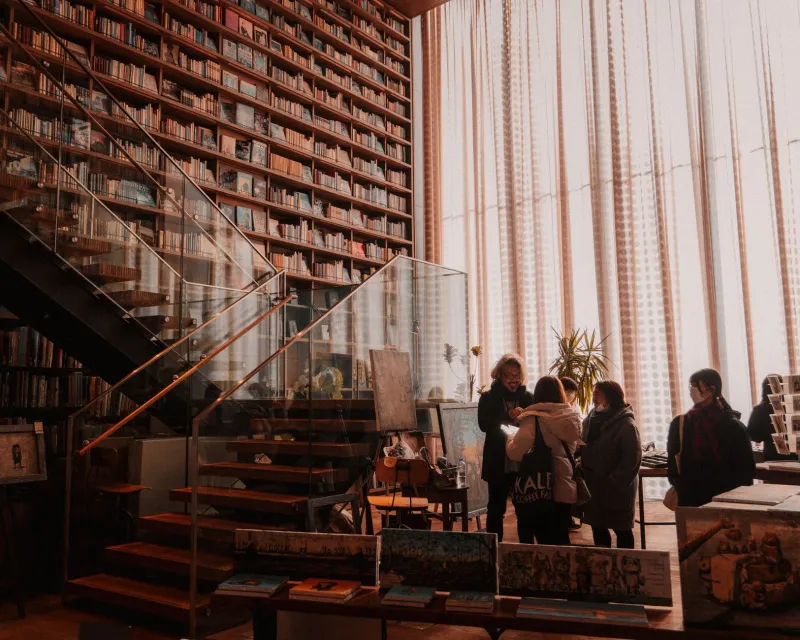
And then there's the thing nobody plans but everybody stays for: the lobby conversation. This is the part I'd argue is the actual product. You walk out of a movie you just saw with 80 of your neighbors, and the conversation starts before you've even found your shoes. Streaming has no lobby. It has an autoplay countdown.
Small Towns, Big Screens
There's a narrative that these theaters are dying, and some are — ticket economics are brutal and the studios don't make it easy. But the revival stories are piling up faster than the obituaries. Volunteer-run nonprofits. Community buybacks. Towns that rallied when the "For Sale" sign went up because they understood the theater wasn't a business so much as a public square with better lighting.
When a small town loses its theater, it doesn't just lose a screen. It loses the one place where everyone in town sees the same thing on the same night and has something to talk about at the hardware store the next morning. That's civic infrastructure wearing a marquee.
Go, and Stay for the Lobby
So here's my pitch, and I recognize it's not much of a sacrifice: find the second-run theater nearest you — most American towns still have one within a short drive — and go. Not because it's cheap, though it is. Not because it's charming, though it is.
Go because for ninety minutes you'll sit in a room where everyone chose the same thing at the same time, and afterward you'll stand in a lobby and disagree about the ending with a stranger. That's it. That's the whole pitch. It turns out that was the good part all along.